Commercial Cannabis Clones Built for Consistent Production
Buyer assurance
Buy with clarity.
Move with confidence.
A straightforward process for qualified buyers—from hands-on inspection and test records to compliant, commercial-scale fulfillment.
Inspect Before You Pay
Review the material firsthand before funds change hands.
Test Documentation Available
Supporting test records are available for informed review.
Commercial Scale Orders
Supply structured for serious volume and operational demand.
Licensed Transfers Only
Every transfer is handled through properly licensed parties.
Reliable harvests begin before plants enter the production room. 24/7 Clones supplies commercial cannabis clones to licensed cultivators seeking verified Genetics, uniform plant material, dependable volume, and a clear fulfillment process.
Our program is designed around the questions commercial teams actually ask: Is the cultivar accurately identified? How uniform is the batch? What plant-health controls are used? What documentation is available? Can the supplier meet our schedule and scale with our facility?
Whether you are filling a new room, expanding a proven cultivar, or refreshing your genetic library, our team helps you evaluate available clones against your production goals. We serve licensed operators in Nationwide in accordance with applicable laws and regulations.
Available only to appropriately licensed businesses where permitted by law. Availability, testing, transport, and transfer requirements vary by jurisdiction.
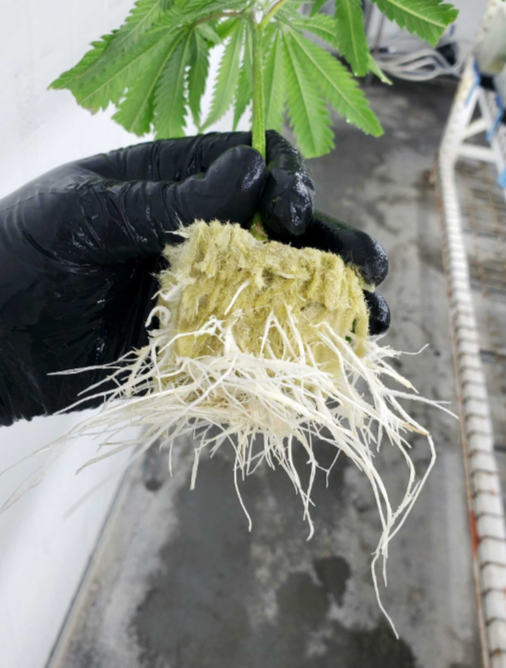
What Are Commercial Cannabis Clones?
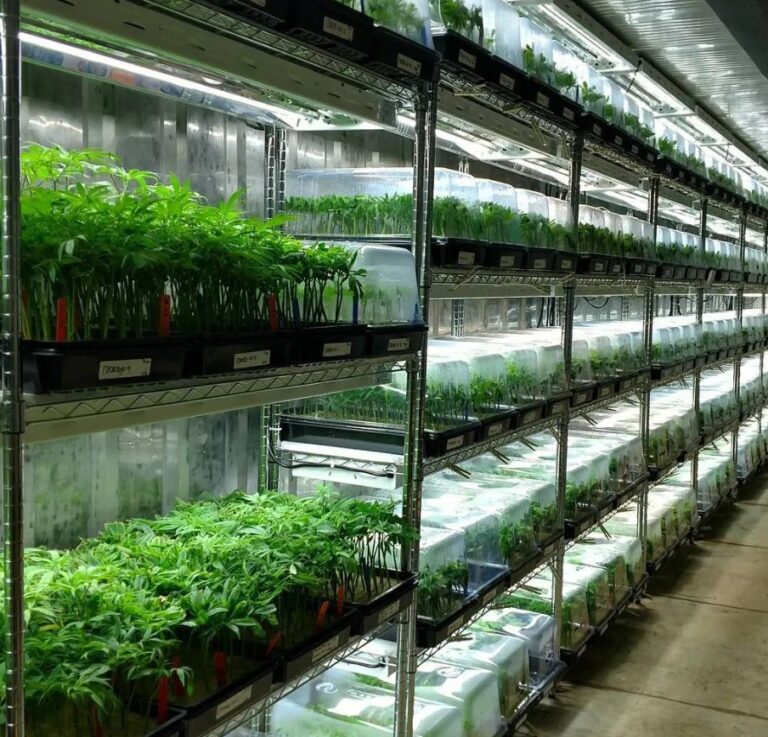
Commercial cannabis clones are vegetative cuttings propagated from a selected mother plant and rooted for transfer into a licensed cultivation operation. Unlike seeds, which can express genetic variation from plant to plant, clones are intended to preserve the genotype of the source plant. That makes them useful when a cultivation team wants to reproduce a selected cultivar across a production run.
For a commercial grower, however, a clone is more than a rooted cutting. It is an operational input. Its identity, health, uniformity, root development, age, handling, and delivery timing can influence labor planning and the consistency of the next crop cycle.
A commercial clone program should therefore be evaluated as a supply relationship—not simply a cultivar menu. The best fit is a supplier that can explain how plant material is identified, monitored, handled, documented, and prepared for transfer.
Why Commercial Growers Start With Clones
More predictable genetic expression
Clones give growers a way to reproduce a selected genotype rather than starting a room from genetically variable seed. Environment and cultivation practices still influence plant performance, but consistent starting genetics can make canopy planning, crop steering, labor allocation, and harvest forecasting more manageable.
A shorter start than seed propagation
Rooted clones begin in the vegetative stage, allowing a facility to bypass germination and early seedling selection. The time saved depends on the cultivar, clone condition, environment, and production plan, so it should not be treated as a guaranteed number. The practical advantage is a more direct path from acquisition to vegetative growth.
Repeatability across rooms and cycles
When a cultivar performs well in a facility, clones can help the cultivation team run that selection again. This supports more useful comparisons between rooms and cycles because the team is not introducing the same degree of genetic variation expected from seed-grown populations.
Faster access to production-ready selections
Pheno-hunting can be valuable, but it requires time, space, recordkeeping, and evaluation. Purchasing established commercial clones can give a licensed operator access to selected cultivars without conducting a new hunt for every production cycle.
Flexible production planning
Wholesale clone orders can support room fills, seasonal scheduling, new-facility launches, replacement stock, and portfolio changes. A supplier with clear inventory and lead-time practices can help a cultivation team plan transfers around facility capacity rather than chase uncertain availability.
What to Look for in a Commercial Cannabis Clone Supplier
The right supplier should make due diligence easier. Before placing a bulk order, ask for direct answers in the following areas.
1. Genetic identity and traceability
Cultivar names alone are not enough. Ask how the supplier maintains identity from source plant through propagation, labels batches, separates cultivars, and handles records. If lineage or breeder attribution is important to your brand, request the available documentation and clarify what is verified versus reported.
2. Plant-health and biosecurity controls
Incoming plant material can introduce costly problems into a facility. A responsible supplier should be able to describe sanitation procedures, mother-room controls, scouting frequency, isolation practices, integrated pest management, and the response process for a suspected issue.
Avoid vague phrases such as “guaranteed clean” unless they are supported by a precisely defined program. No single observation or test eliminates every biological risk. Commercial buyers need to understand what is monitored, which methods are used, when checks occur, and what documentation accompanies a batch.
Our program includes restricted access, sanitation workflow, environmental monitoring, scouting, quarantine and clean-stock procedures
3. Testing scope and documentation
“Tested” should never be the end of the conversation. Buyers should ask:
- What organisms or conditions are included in the panel?
- What method and laboratory are used?
- Is testing performed on mother stock, individual plants, pooled samples, or clone batches?
- How recent are the results?
- Can relevant documentation be reviewed before transfer?
24/7 Clones provides test results, certificates and dates, sample types. Testing is not a substitute for the receiving facility’s quarantine and inspection protocol.
4. Root development and batch uniformity
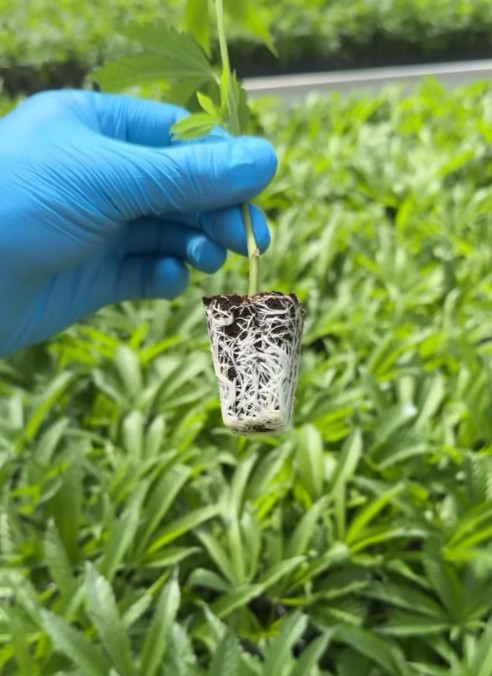
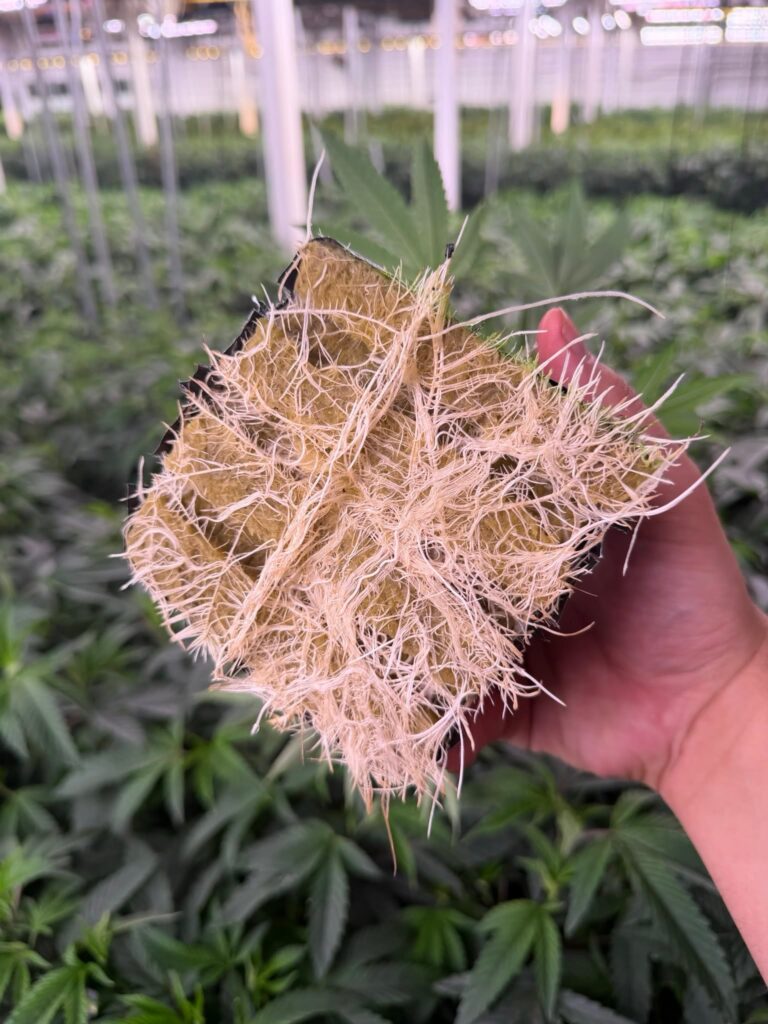
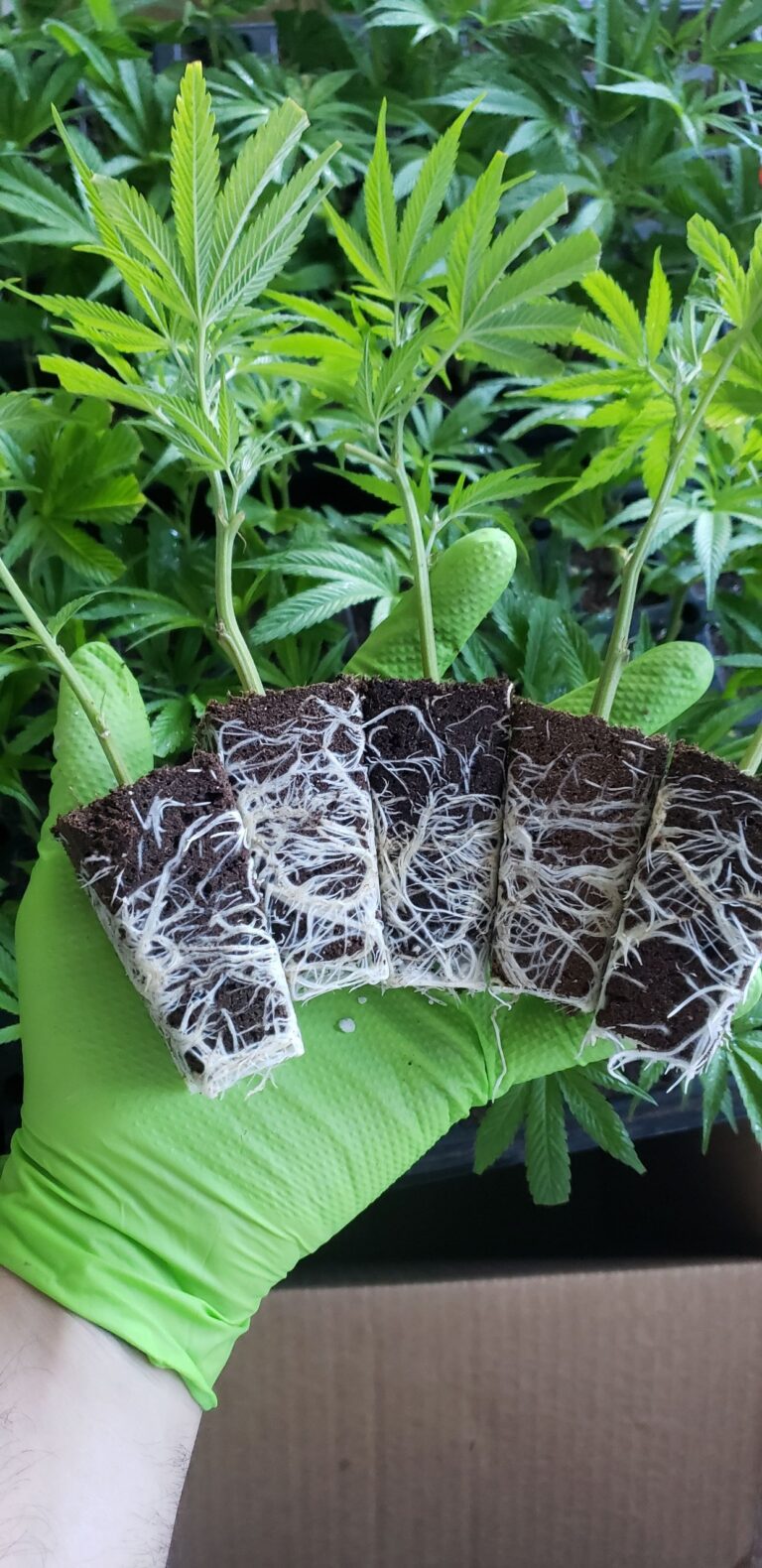
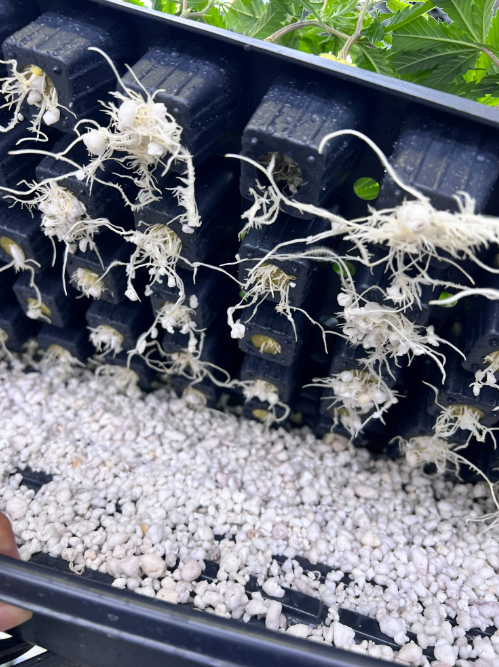
A commercial order needs more than a high rooting percentage. Ask how clones are graded for root development, plant size, vigor, age, and visual condition. Define the acceptable specification before the order is finalized, especially when plants will enter an automated or tightly scheduled production system.
5. Capacity, lead times, and communication
A cultivar is only useful if it is available when your room is ready. Confirm minimum order quantities, production lead time, deposit terms, substitution policy, pickup or delivery windows, and the process for changes. For recurring orders, ask whether standing production schedules or forward reservations are available.
24/7 Clones supports commercial orders starting at 20 clone minimum orders, subject to cultivar availability and lead time. Our team confirms specifications and timing before production is committed.
6. Compliance and authorized transfers
Cannabis rules differ by jurisdiction and can change. Confirm that the supplier is authorized for the proposed transaction, that the buyer’s license is active and appropriate, and that transport, manifests, track-and-trace entries, testing, packaging, and transfer procedures meet local requirements.
24/7 Clones serves licensed growers and supports all METRC orders in accordance with applicable local laws. We do not ship or transfer plant material where prohibited.
Our Commercial Clone Quality Framework
Inspect Before You Pay
Commercial customers have the opportunity to fully inspect their order upon pickup or delivery to verify quality, health, and order accuracy. Any remaining balance is due only after you have confirmed you are satisfied with your order.
Selected source material
All cultivars undergo an evaluation and approval process before being introduced into the production library. Once approved, each cultivar is assigned a unique identifier and documented within our internal tracking system. This standardized process supports accurate propagation, inventory control, and complete traceability from mother stock through finished clones.
Managed mother stock
Our mother plants are maintained in a carefully controlled cultivation environment designed to support healthy, vigorous growth and consistent cannabis clone production. Each mother plant is routinely inspected for overall plant health, vigor, structure, and performance, while environmental conditions and cultivation practices are continuously monitored. Our team documents all relevant observations throughout the production cycle, and any plant that fails to meet our strict quality standards is immediately removed from production. This rigorous quality control process helps ensure every clone is propagated from healthy, high-performing mother stock.
Controlled propagation
Cuttings are taken, labeled, and rooted. Tools, surfaces, trays, media, water, staff movement, and room access are managed according to a SOP program.
Routine inspection and testing
Plants are visually inspected at every process. Results and limitations are communicated clearly so buyers can make informed receiving decisions.
Commercial grading
Before transfer, clones are evaluated for label accuracy, root development, vigor, structure, and visible condition. Orders are staged and handled to reduce stress within the practical limits of transport and transfer.
Documentation and handoff
Every qualified commercial cannabis clone order includes a detailed invoice, cultivar list, and receiving instructions to help ensure a smooth transfer and successful establishment of your plants. When available, supporting documentation such as manifests, batch information, and applicable testing records are also provided.
To keep customers informed throughout the process, our team sends multiple text message confirmations prior to pickup or delivery, including the scheduled date, time, location, and any final instructions. Before releasing an order, we verify the responsible Contact, confirm all transfer requirements, and ensure the order is accurate, complete, and ready for a seamless pickup or delivery experience.
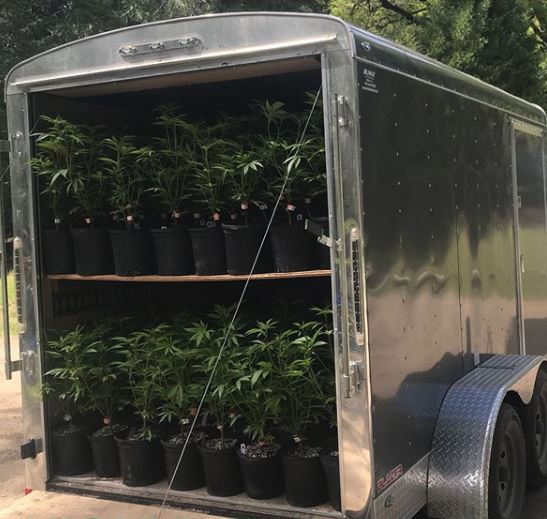
Choosing Cultivars for a Commercial Facility
The most recognizable cultivar is not always the best production cultivar. A useful selection process starts with the facility, target product, customer, and production model.
Match genetics to the production environment
Consider available vertical clearance, light intensity, irrigation strategy, plant density, vegetative time, and environmental ranges. Ask how a cultivar has behaved in environments comparable to yours, while recognizing that supplier observations are not guarantees of performance in another facility.
Define the desired plant architecture
Stretch, branching pattern, internodal spacing, canopy response, and finishing time affect room design and labor. A mixed-cultivar room becomes harder to manage when plants have very different irrigation needs or growth habits. If uniform operations are the priority, group selections with compatible production characteristics.
Start with the finished product
The right genetics depend on whether the crop is intended for premium flower, extraction, pre-rolls, or another permitted product category. Review available cannabinoid, aroma, yield, appearance, and post-harvest observations in context. Results vary with environment, cultivation, harvest timing, processing, sampling, and laboratory methods.
Review market fit without chasing names alone
Demand matters, but cultivar names and short-lived trends should not replace production economics. Evaluate wholesale demand, buyer feedback, brand positioning, expected grade-out, labor needs, cycle time, and risk. A cultivar with slightly lower theoretical yield may create more value if it fits the facility and consistently meets the intended specification.
Run a pilot when possible
Before committing a large share of production to unfamiliar genetics, consider a limited trial under your own SOPs. Record plant health, growth rate, irrigation response, morphology, labor, harvest data, quality results, and post-harvest behavior. A disciplined pilot produces better purchasing decisions than a generic performance claim.
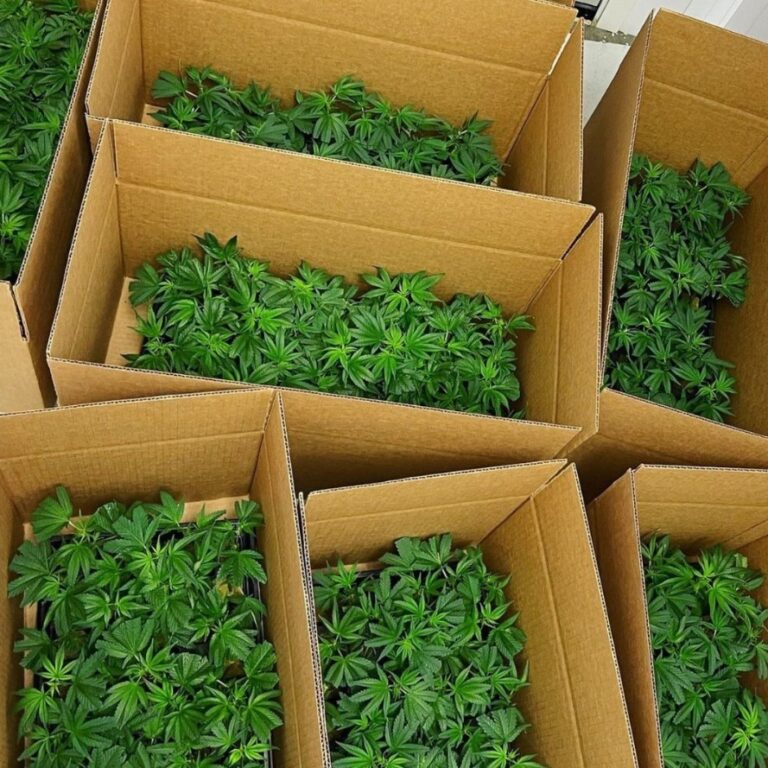
From Inventory Request to Pickup
A straightforward four-step process designed to make commercial clone ordering fast, transparent, and easy.
Request Inventory
Contact us for current availability, quantities, and wholesale pricing.
Select Genetics
Choose the cultivars and quantities that fit your production needs.
Schedule Pickup or Delivery
Select a convenient fulfillment date and approved transfer method.
Inspect Before Payment
Review your order and inspect the clones before completing payment.
Commercial Ordering Process
1. Share your production needs
Tell us your license type and jurisdiction, desired cultivars, quantities, target transfer date, facility constraints, and end-product goals. If you are still comparing options, we can explain the information currently available for each selection.
2. Review live availability and specifications
Our team provides Live Inventory, commercial specifications, pricing, lead times, and available documentation. Inventory changes, so orders are not reserved until you receive an invoice confirmation from us.
3. Verify eligibility and confirm the order
We verify the buyer’s license and any required documentation. Both parties confirm cultivar, quantity, specification, price, payment terms, substitutions, transfer method, and target date in writing.
4. Schedule production or reserve available inventory
Depending on quantity and timing, we cut to order or reserve rooted stock. We communicate material changes promptly and do not substitute cultivars without your approval.
5. Coordinate compliant pickup or delivery
Transfers are arranged on case by case basis. Delivery radius, licensed transport arrangement, pickup requirements, manifests, and track-and-trace process are all adhered to.
6. Inspect, quarantine, and acclimate
The receiving team should verify labels and quantities, document condition, and follow its own quarantine, inspection, and acclimation SOP. Contact us within 48 hours if an order appears not to meet the written specification. Our terms and resolution process are available on our site.

Receiving Commercial Cannabis Clones
Every licensed facility should maintain its own written receiving protocol. The supplier’s controls do not replace the buyer’s biosecurity program.
Prepare the receiving or quarantine area before the plants arrive. Ensure staff know who will inspect the order, where it will be staged, how tools and protective equipment will be managed, and how observations will be recorded. Avoid moving new plant material directly into established production rooms.
At receipt, compare the shipment with the order and required transfer records. Confirm cultivar labels, batch identifiers, counts, and visible condition. Look at leaves, stems, media, and roots where the agreed packaging permits. Document exceptions with clear notes and photographs before plants are dispersed.
Keep incoming clones physically and operationally separated according to your facility’s risk plan. Monitor them through the defined quarantine period and apply your own testing and release criteria. Environmental transitions should be managed deliberately: abrupt changes in light, temperature, humidity, airflow, irrigation, or root-zone conditions can stress young plants.
If you observe a potential pest, disease symptom, labeling discrepancy, or material quality issue, isolate the affected plants and follow your escalation SOP. Notify the supplier within the agreed window and preserve the records needed to investigate the issue. Do not rely on an informal text exchange when chain of custody or crop health may be involved.
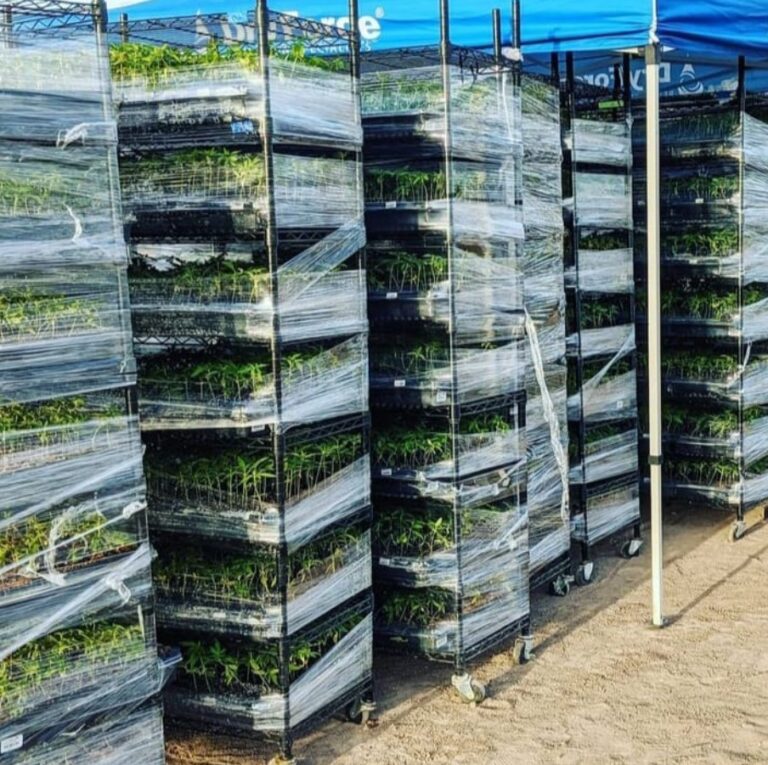
Wholesale Cannabis Clones for Planned, Repeatable Runs
24/7 Clones works with licensed cultivation teams that need more than a rotating retail menu. Our commercial program is built around defined specifications, transparent documentation, planned quantities, and direct communication.
We can support room fills, recurring schedules, multi-cultivar orders, new facility launches, genetic library refreshes, custom propagation, or standing reservations. Every program begins with availability, capacity, and compliance review.
If you are planning a transfer in California, Oregon or Oklahoma, send us your target date, cultivar needs, quantity, and license information. We will respond with current availability and the next practical step.
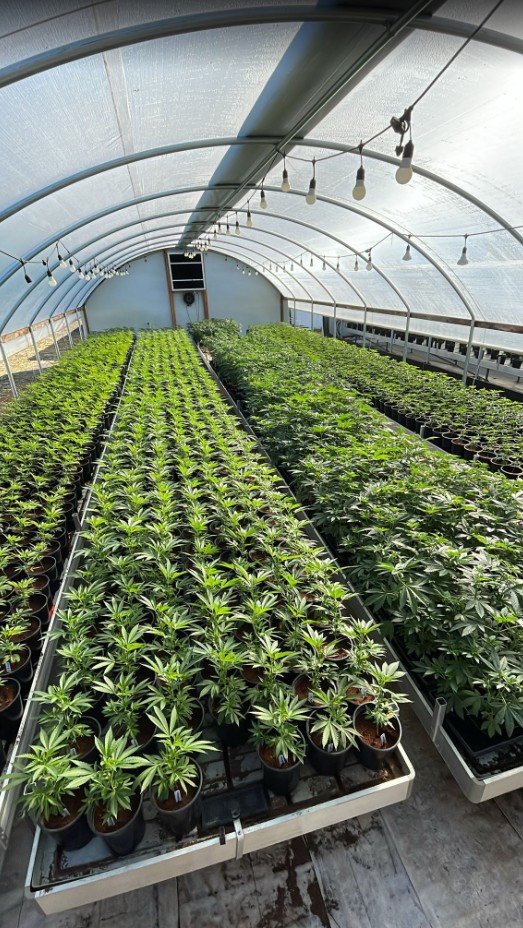
Frequently Asked Questions About Commercial Cannabis Clones
Do cannabis clones produce uniform plants?
Clones are intended to share the genotype of their source plant, which reduces genetic variation compared with a seed-grown population. They are not a guarantee of identical outcomes. Environment, root health, plant handling, crop inputs, pest pressure, training, harvest timing, and post-harvest practices can all influence performance.
What is the minimum order for wholesale cannabis clones?
Our minimum commercial order varies farm to farm. Minimums may vary by cultivar, production schedule, packaging, and delivery area. Contact us for current availability and a written quote.
How far in advance should a commercial order be placed?
Many orders can be fulfilled within 24 hours when rooted inventory is available. Larger, cultivar-specific, or recurring commercial orders may require additional planning., but large or cultivar-specific orders may require more planning. Seasonal demand and mother-stock capacity also affect timing. For a room fill or recurring program, Contact us as soon as the production calendar is approved.
Are your cannabis clones pathogen tested?
Testing reduces uncertainty within its defined scope; it does not establish that plant material is free from every possible pest or pathogen. Buyers should use their own quarantine, inspection, and testing protocols.
Can I request test records before ordering?
We provide Live Inventory, media and strain info at inquiry or order process, ask our team which records correspond to the material under consideration.
Do you guarantee yield, potency, or finishing time?
No responsible supplier can guarantee production outcomes across independent facilities. We can share clearly identified historical observations and available data, but results depend on cultivation conditions, management, sampling, laboratory methods, and other variables.
Do you deliver cannabis clones?
We offer pickup/delivery/authorized transport within specific service area where permitted. All transfers require appropriate licenses and documentation. We do not ship or transfer cannabis plants across jurisdictions where doing so is prohibited.
What happens if clones arrive damaged or outside specification?
Inspect the order at receipt and notify us within 48 hours using text. Our written acceptance/replacement/credit policy explains required documentation, exclusions, and available remedies.
Can you supply recurring commercial orders?
Recurring programs are subject to production capacity, cultivar availability, agreed forecasts, deposits, and compliance verification. Contact our commercial team to discuss the cadence and volume your facility requires.
Who can purchase commercial cannabis clones?
We sell only to licensed cultivators with active, verifiable authorization in your area. Requirements vary by location. Submission of an inquiry does not guarantee eligibility or availability.
Plan Your Next Production Run
The best commercial clone order begins with a clear specification: verified buyer eligibility, defined cultivars and quantities, agreed plant standards, relevant documentation, a realistic transfer date, and a receiving plan.
Tell 24/7 Clones what your facility needs. We will help you review current availability and determine whether our commercial clone program is the right fit for your next run.
Why 24/7 Clones?
Why Growers Choose 24/7 Clones
Reliable inventory, flexible fulfillment, and commercial support designed to make sourcing clones easier.
- 20+ Partner Farms
- Thousands of Clones Available
- Daily Commercial Orders
- Flexible Pickup & Delivery
- Wholesale Commercial Pricing
- Live Inventory Availability
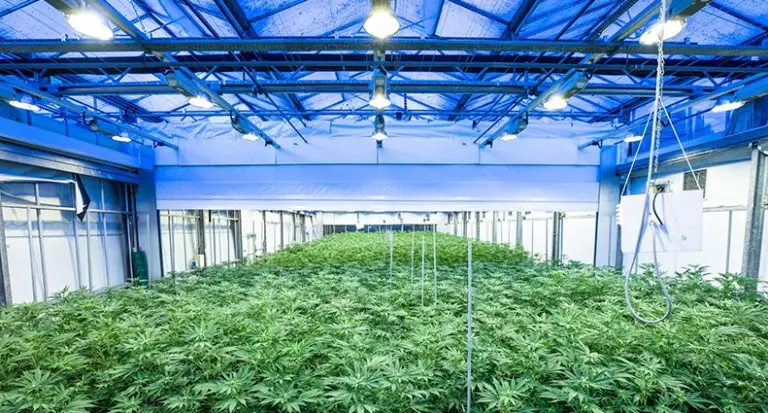
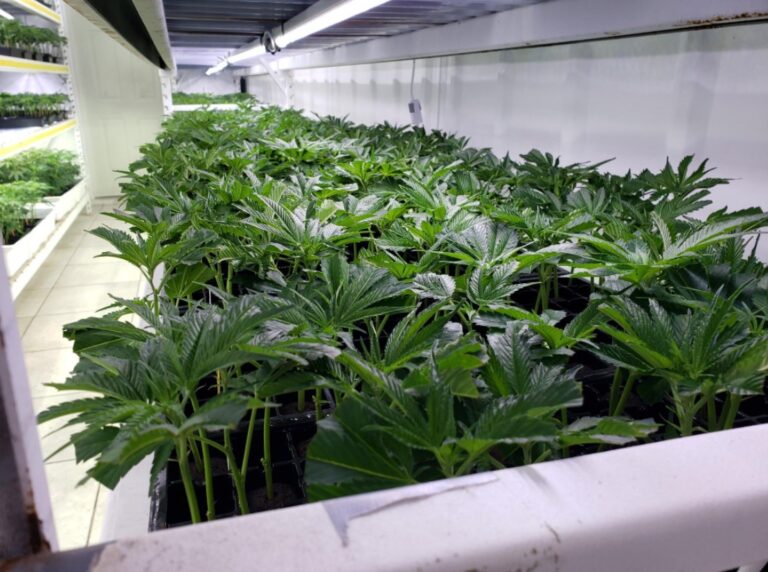
Built for Commercial Buyers
See how our commercial clone-buying experience compares with what growers may encounter elsewhere.
| Feature | 24/7 Clones | Typical Supplier |
|---|---|---|
| Inventory | ✓ Live inventory | — Often unavailable |
| Farm Network | ✓ Multiple farm locations | — Single location |
| Order Support | ✓ Commercial order support | — Limited |
| Buyer Inspection | ✓ Inspect before payment | — Not always offered |
| Pricing | ✓ Wholesale pricing | — Varies |
Supplier offerings and policies vary. Confirm current availability, pricing, inspection terms, and fulfillment details before ordering.